
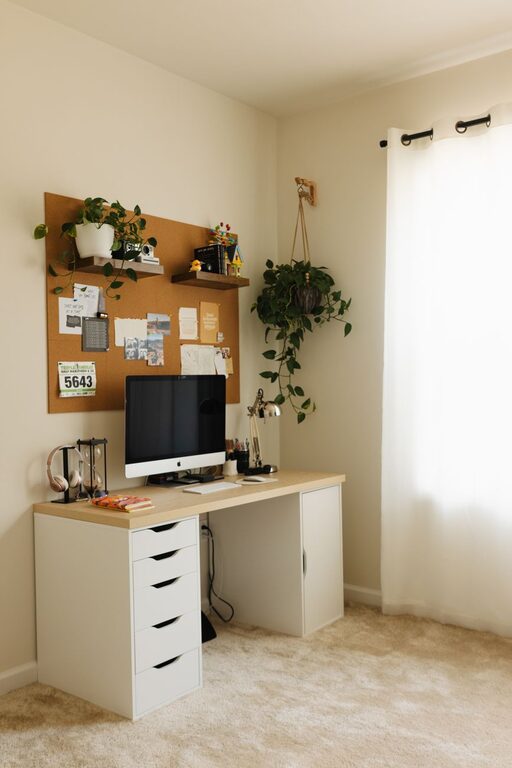
Creating a cozy and functional home workspace is more important than ever. Whether you’re working from home full-time or just need a quiet spot to manage tasks, the right environment can boost your focus, creativity, and overall well-being. In this post, we’ll explore practical tips to help you design a workspace that feels inviting yet efficient.
Why a Cozy and Functional Workspace Matters
A workspace that balances comfort and functionality encourages longer periods of productivity without fatigue. When your space feels welcoming, you’re more likely to enjoy your workday and stay motivated. Plus, a well-organized area minimizes distractions, helping you maintain focus.
1. Choose the Right Location
Picking the best spot in your home sets the foundation for your workspace.
– Natural Light: Position your desk near a window to take advantage of daylight. Natural light reduces eye strain and boosts your mood.
– Quiet and Private: Choose a location away from high-traffic areas or noisy appliances to limit distractions.
– Space Availability: Even a small corner can work if well-organized. Prioritize a space that allows for the essentials: desk, chair, and storage.
2. Invest in Ergonomic Furniture
Comfortable furniture supports your body and helps prevent strain.
– Desk Height: Your desk should allow your arms to rest comfortably at a 90-degree angle.
– Chair Support: Opt for an adjustable chair that supports your lower back and encourages good posture.
– Adjustable Options: Consider desks or chairs that can be modified for standing or sitting to vary your position throughout the day.
3. Organize with Purpose
Clutter can hinder productivity. Keeping your area tidy and organized saves time and creates a calm atmosphere.
– Desk Organizers: Use trays, pen holders, and drawer dividers to keep supplies neat.
– Cable Management: Hide or secure cords to reduce visual chaos and tripping hazards.
– Storage Solutions: Shelves, filing cabinets, or baskets allow you to store documents and equipment out of sight but within easy reach.
4. Personalize Your Space Thoughtfully
Adding personal touches can make your workspace more inviting without overwhelming it.
– Plants: Small indoor plants bring life and improve air quality.
– Artwork: Pictures or prints that inspire or calm you add personality.
– Colors: Choose soothing colors for walls or accessories to create a relaxing vibe.
5. Lighting for Comfort and Productivity
Good lighting reduces eye strain and keeps you alert.
– Balanced Lighting: Combine natural light with task lighting like desk lamps to avoid shadows and glare.
– Warmth: Use bulbs with a warm color temperature for a cozy feel.
– Adjustability: Lamps with adjustable brightness or direction help tailor your lighting to the task.
6. Minimize Distractions
Ensuring your workspace supports focus helps you achieve more in less time.
– Noise Control: Use noise-cancelling headphones or white noise machines if ambient sounds are an issue.
– Digital Organization: Keep your computer desktop and browser tabs organized to reduce mental clutter.
– Defined Boundaries: Set clear start and end times for work and communicate your availability to household members.
7. Keep Comfort Items Handy
Small comforts can make long workdays easier.
– Water Bottle: Staying hydrated is key for concentration and health.
– Break Area: If possible, have a nearby spot to stretch or relax briefly between tasks.
– Temperature Control: Use a fan, heater, or window adjustments to keep your space at a comfortable temperature.
8. Regularly Refresh Your Workspace
Updating your workspace periodically keeps it fresh and aligned with your needs.
– Seasonal Updates: Change decor or lighting to match the season and energize your space.
– Declutter: Regularly remove items you no longer need or use.
– Assess Functionality: Re-evaluate if your furniture and organization methods still suit your workflow.
—
Creating a cozy and functional home workspace is about balancing comfort, organization, and design to suit your personal work style. By carefully selecting your location, furniture, and decor, and keeping distractions at bay, you can build a space that helps you thrive each day. Remember, the best workspace is one that feels right for you—so don’t hesitate to adjust and personalize until it does.